


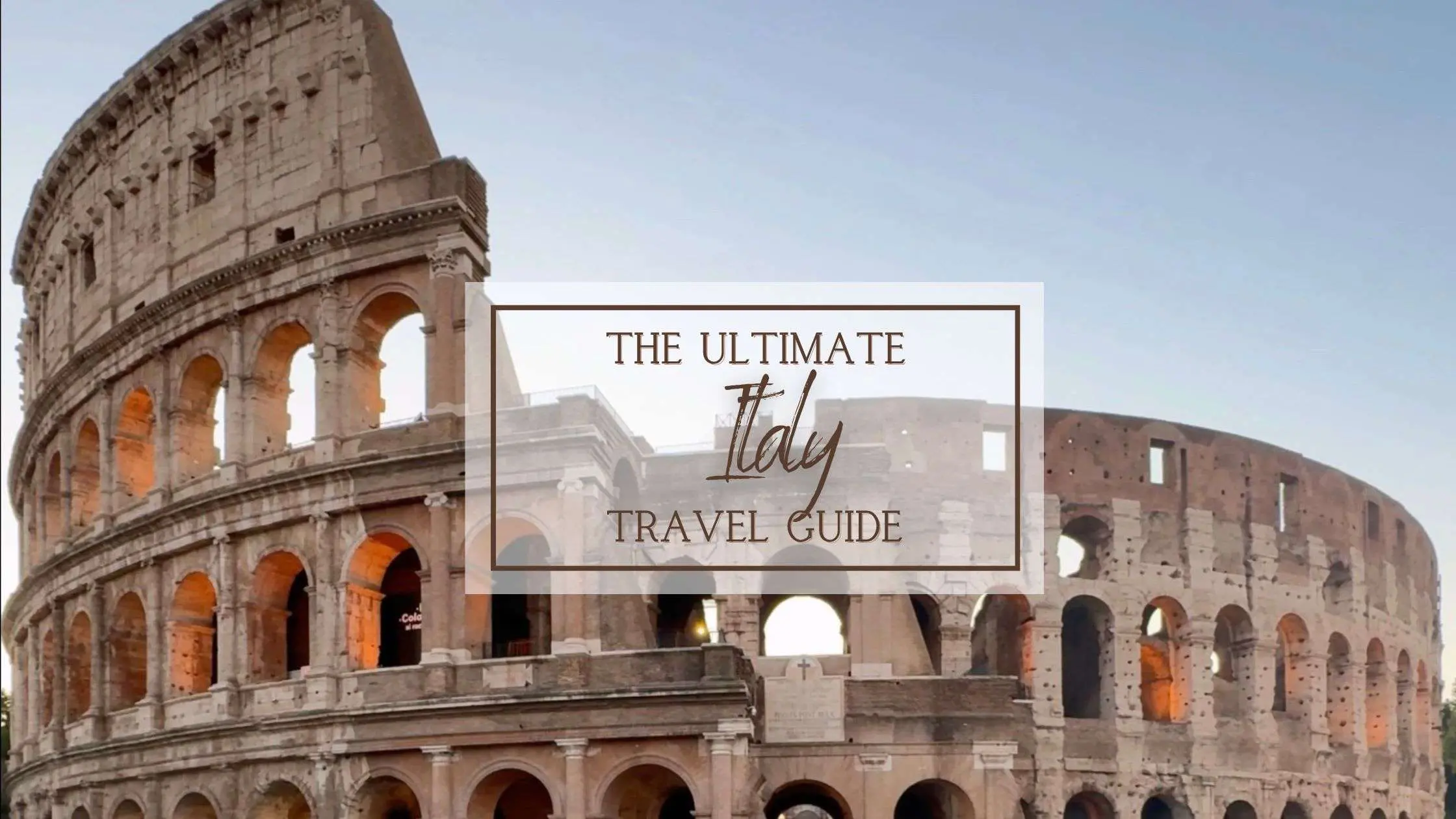
Italy
THE ULTIMATE ITALY TRAVEL GUIDE
Italy, a country rich in history, art, and culinary wonders, is a destination like no other.
From the ancient ruins of Rome to the breathtaking canals of Venice and the rolling hills of Tuscany, every corner of Italy offers something special. Whether you’re planning to explore bustling cities or quaint countryside villages, this ultimate Italy travel guide will help you navigate your Italian adventure like a pro.
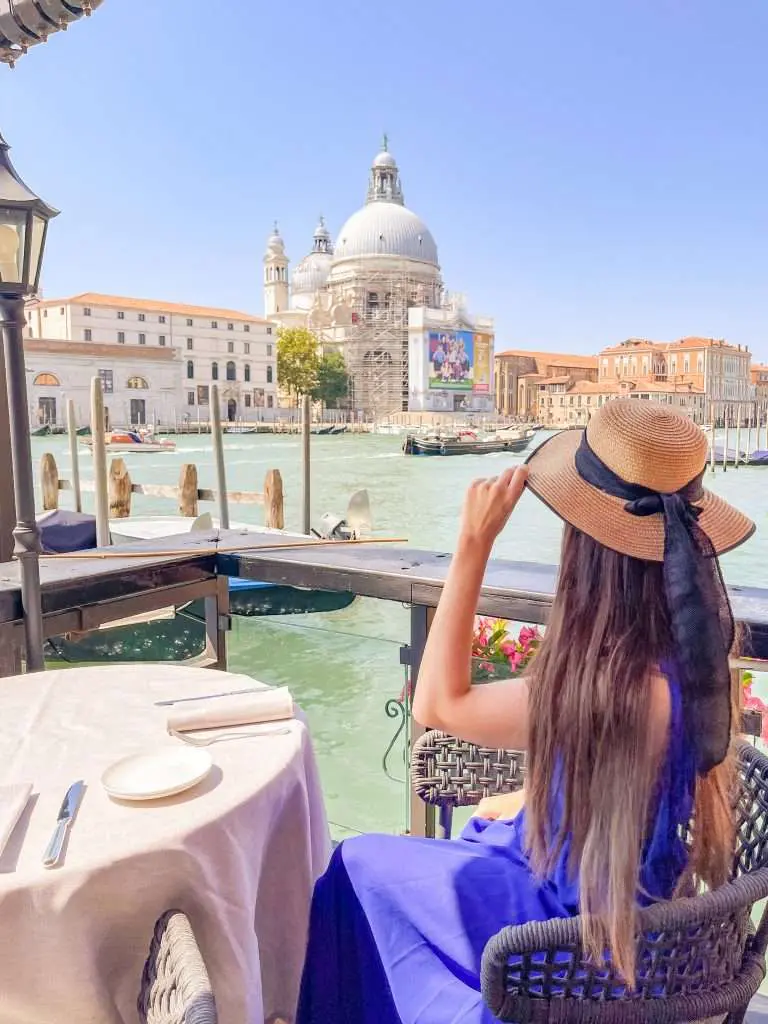
WHAT TO EXPECT
Language: Italian is the official language of Italy, but in tourist-heavy areas, many locals speak English. However, learning a few basic Italian phrases, such as “Ciao” (Hello) and “Grazie” (Thank you), goes a long way in earning respect from the locals.
Credit Cards/ATM: Major credit cards like Visa and Mastercard are widely accepted in most cities and tourist destinations. However, smaller towns and family-run businesses might prefer cash, so having some euros on hand is always a good idea. ATMs, known as “Bancomats” in Italy, are easy to find in urban areas.
Currency: Italy uses the Euro (€). It’s best to exchange some money before arriving or withdraw from ATMs for better rates.
Plugs: Italy uses Type C, F, and L plugs, with a standard voltage of 230V. It’s smart to carry a universal adapter, especially if you’re traveling from North America.
Tipping: Tipping is not as customary in Italy as it is in the U.S. Most restaurants include a service charge (servizio) in the bill, but rounding up the total or leaving some spare change is appreciated for good service.
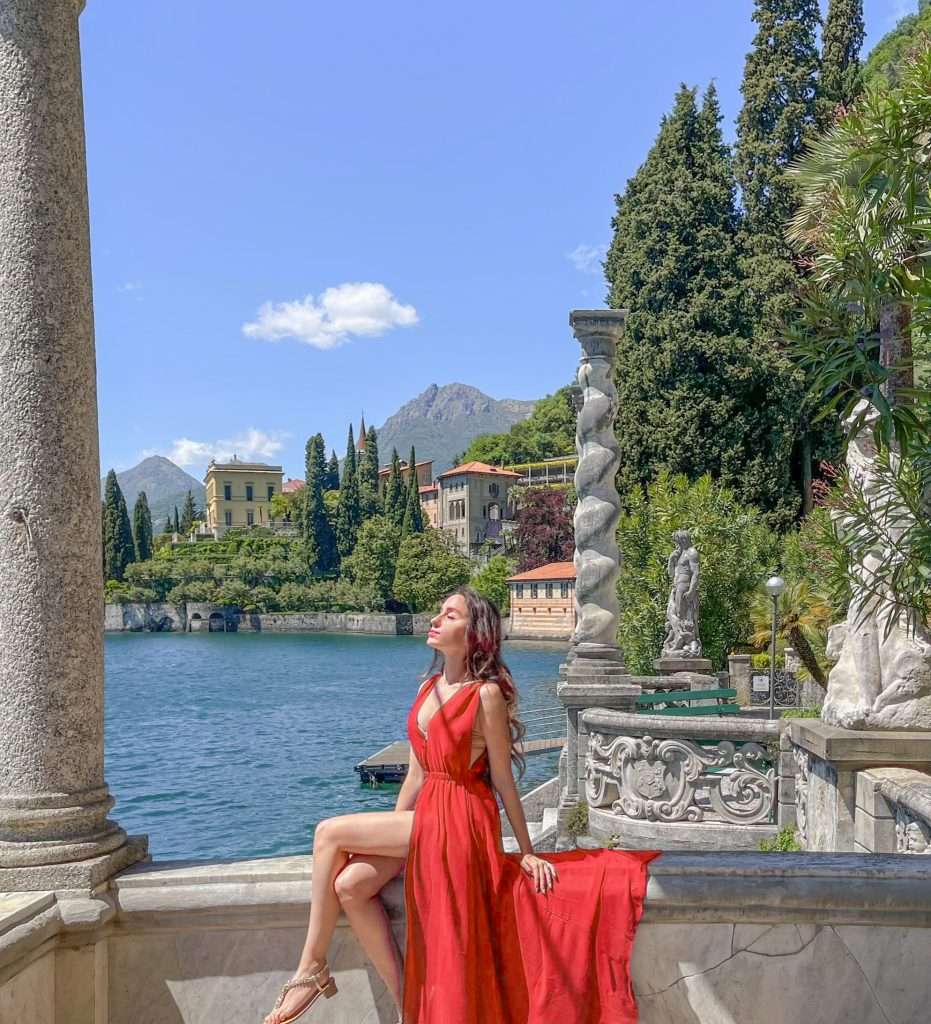
Lake como
WHEN TO GO
Italy is a year-round destination, but the best time to visit depends on your preferences.
Spring (April to June): Spring offers mild weather, fewer tourists, and blooming flowers across the countryside. It’s an ideal time to explore cities like Florence and Rome without the summer heat.
Summer (July to August): Expect large crowds, especially in tourist hubs like Rome and Venice. Coastal towns such as Amalfi and Cinque Terre are buzzing, and this is prime beach season. However, temperatures can soar, making the experience less pleasant for sightseeing.
Fall (September to October): Autumn is another great season to visit. The weather is cooler, and the crowds have thinned out. Fall is also harvest season, a perfect time to experience Italy’s renowned wine regions.
Winter (November to March): Winter brings cold weather to much of Italy, but it’s the best time to visit if you want to avoid crowds. It’s also ski season in the Alps. Christmas markets in cities like Florence and Milan are a highlight, and you can explore iconic sites like the Colosseum and Vatican Museums without long lines.

ETIQUETTE
Understanding Italian customs and etiquette can help you blend in and enjoy a smoother experience.
Greetings: Italians are warm and affectionate. A handshake or a cheek kiss (usually two, one on each cheek) is a common greeting among friends. Be polite and greet people with “Buongiorno” (Good morning) or “Buonasera” (Good evening) before starting a conversation.
Dining Etiquette: Don’t rush meals. Italians view dining as a social experience. Meals are often enjoyed over several courses, especially dinner. It’s considered rude to ask for the bill (il conto) before you’ve finished eating, as it signals that you’re in a hurry.
Dress Code: Italians take pride in their appearance, so dressing stylishly is a sign of respect. If you’re visiting religious sites like St. Peter’s Basilica, modest clothing (covering shoulders and knees) is mandatory.
Public Behavior: Speaking loudly or making exaggerated gestures in public is generally frowned upon. Italians value politeness and expect the same from visitors.
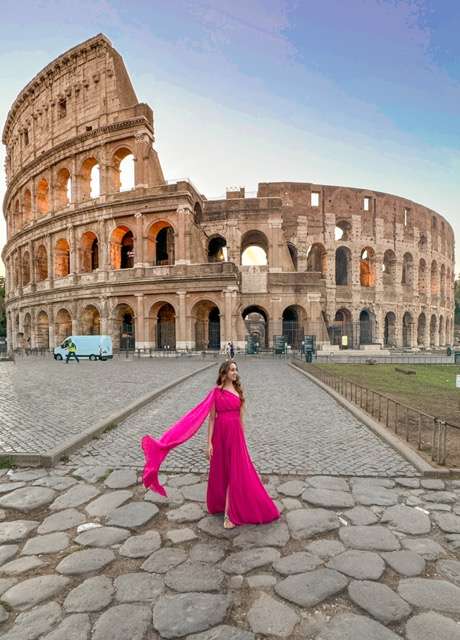
TIPS FOR A PERFECT ITALY EXPERIENCE
- Book tickets in advance: Popular attractions like the Colosseum, Vatican Museums, and Uffizi Gallery can have long lines. Booking online ahead of time can save hours of waiting.
- Use public transport: Trains and buses are efficient and affordable ways to get around Italy. The high-speed train network connects major cities like Rome, Florence, and Milan. However, in smaller towns, buses may run infrequently, so plan accordingly.
- Embrace the “siesta” culture: Many shops and restaurants close between 1 PM and 4 PM, especially in smaller towns. Plan your day around this, and take the opportunity to enjoy a leisurely lunch or a quiet afternoon.
- Venture off the beaten path: While Rome, Venice, and Florence are incredible, smaller towns like Bologna, Matera, and Siena offer authentic Italian experiences without the crowds. Each region of Italy has its own charm, so explore beyond the popular spots.
- Try local dishes: Italy’s cuisine is incredibly diverse, with each region offering something different. In Naples, indulge in authentic pizza, while in Bologna, don’t miss the tagliatelle al ragù. Always ask for the “specialità della casa” (house specialty) when dining.
- Respect quiet hours: Italians value their rest, so be mindful of noise, especially in residential areas. This is particularly important between 2 PM and 4 PM, and after 11 PM at night.
- Carry cash for small expenses: Many small shops, local markets, and cafés prefer cash for small purchases. While cards are accepted in larger establishments, having euros on hand is useful for day-to-day expenses.
- Enjoy the “Aperitivo” tradition: In the late afternoon, Italians unwind with an “aperitivo,” usually a drink accompanied by light snacks. It’s a perfect opportunity to relax, people-watch, and experience local culture.

DESTINATIONS IN ITALY
ROME
VENICE
RELATED ARTICLES
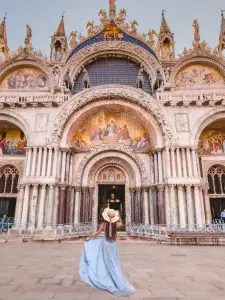
THE TOP 10 INSTAGRAMMABLE SPOTS IN VENICE
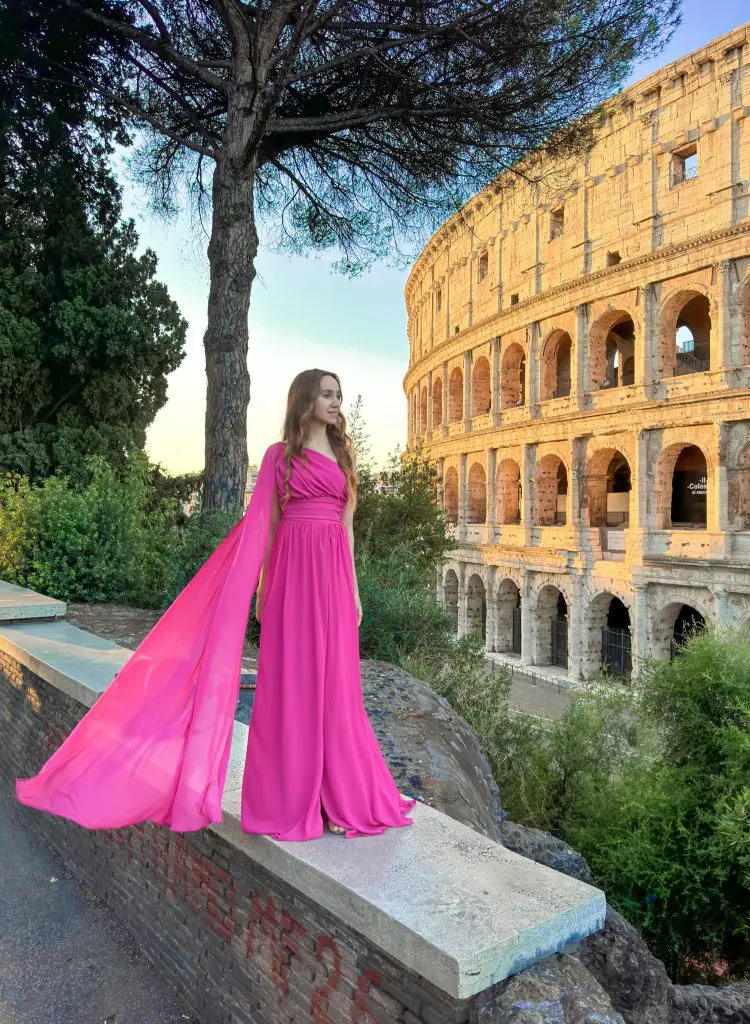
THE TOP 5 INSTAGRAMMABLE SPOTS IN ROME

TIPS FOR A PERFECT FIRST TRIP TO THE MALDIVES
October 8, 2024