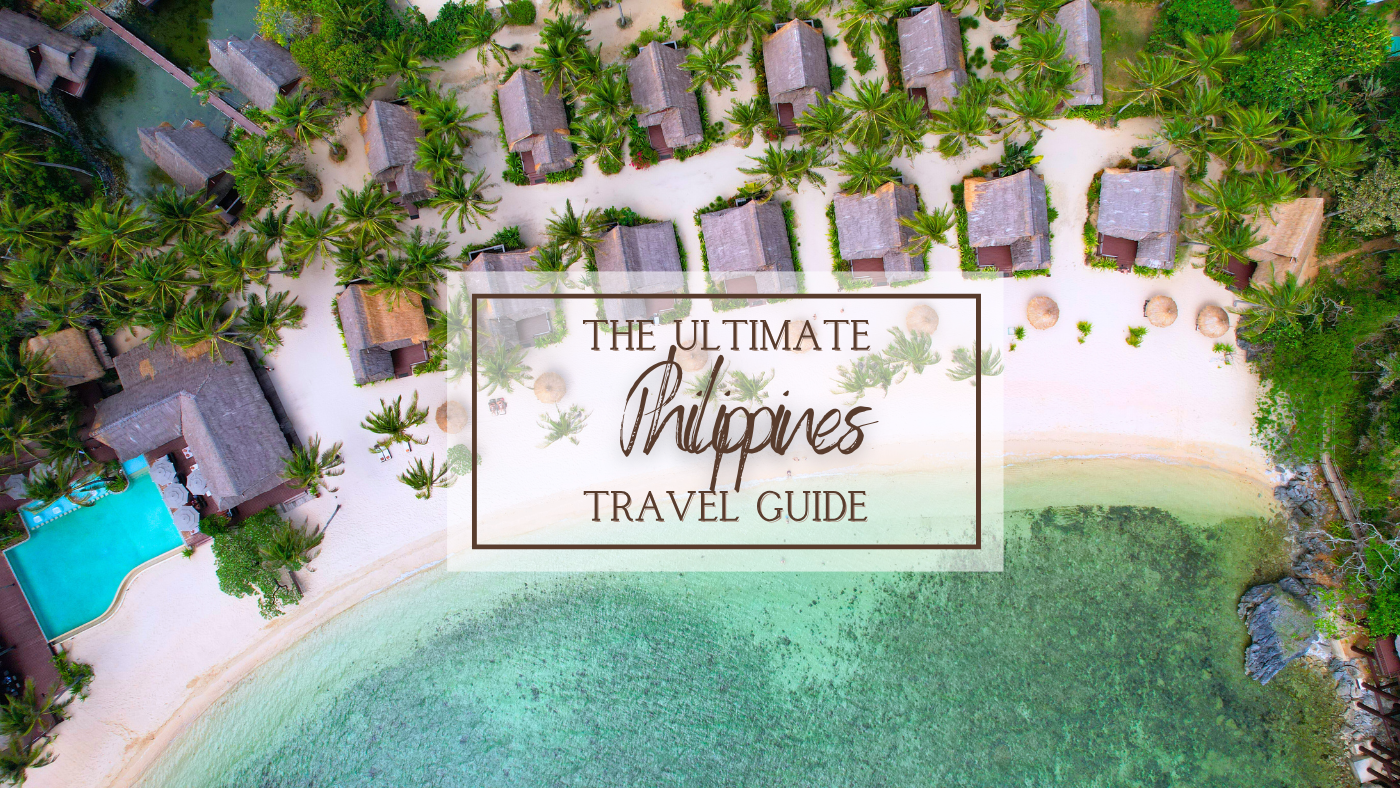
THE ULTIMATE PHILIPPINES TRAVEL GUIDE
The Philippines, an archipelago of over 7,000 islands, is a tropical paradise brimming with pristine beaches, vibrant cities, and welcoming locals. Known for its lush landscapes, crystal-clear waters, and unique cultural blend of East and West, this Southeast Asian gem offers something for every traveler. From the white sands of Boracay to the Chocolate Hills of Bohol, prepare for an unforgettable adventure.
Keep reading for the Ultimate Philippines Travel Guide.

WHAT TO EXPECT
Language: Filipino (based on Tagalog) and English are the official languages, and most Filipinos are fluent in both. In tourist areas, English is widely spoken, making communication easier for visitors.
Credit cards/ATM: Credit cards are accepted in major cities, upscale restaurants, and hotels. However, cash is still king, especially in rural areas. ATMs are available but may charge fees for international cards. Keep some pesos (PHP) handy for small purchases and transportation.
Currency: The Philippine Peso (PHP) is the official currency. While credit cards are common in urban areas, local markets and small establishments typically require cash. You can exchange money at airports, banks, and authorized exchange centers.
Plugs: The Philippines uses Type A, B, and C plugs with a standard voltage of 220V. Bring an adapter if you’re traveling from countries with different plug types or voltages.
Tipping: Tipping is not mandatory but is greatly appreciated. For restaurants, leave 10% of the bill if no service charge is included. Tipping hotel staff, drivers, and guides is customary, with amounts depending on the service quality.
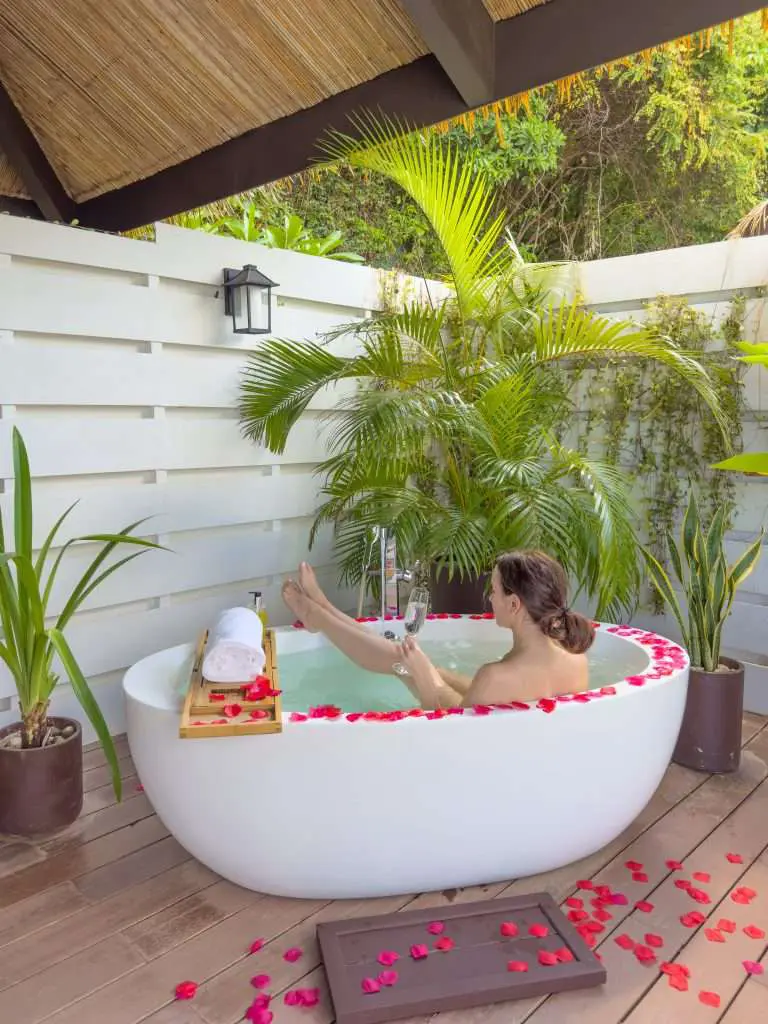
WHEN TO GO
The best time to visit the Philippines largely depends on your travel plans.
- Dry Season (November to May): This is the peak season for tourism, offering sunny weather ideal for beach trips and outdoor activities. March to May can be particularly hot, perfect for island hopping.
- Rainy Season (June to October): Though the rains bring lush greenery, they may disrupt travel plans. However, this is the best time to enjoy fewer crowds and lower prices.
- Festive Season: Don’t miss the Sinulog Festival in Cebu (January) or the Ati-Atihan Festival in Aklan (January), showcasing the country’s vibrant culture.
ETIQUETTE
Filipinos are known for their warm hospitality and respect for others. Understanding local etiquette will help you make meaningful connections during your stay.
- Greetings: A smile and a polite “Hello” or “Magandang araw” (Good day) go a long way. Addressing elders with “po” or “opo” shows respect.
- Dress Modestly: In urban areas, casual clothing is acceptable. However, dress conservatively when visiting churches or rural areas.
- Table Manners: Filipinos often eat with a spoon and fork. If dining at someone’s home, wait for the host to start eating before you begin.
- Respect Local Customs: Remove your shoes before entering someone’s home. Always show politeness and gratitude when interacting with locals.
- Personal Space: Filipinos are generally friendly, but maintaining personal boundaries in crowded areas is appreciated.

TIPS FOR A PERFECT PHILIPPINES EXPERIENCE
- sland Hop Wisely
The Philippines offers countless islands, so focus on exploring clusters like Palawan (El Nido and Coron) or the Visayas (Cebu and Bohol). Booking guided tours can streamline your experience. - Embrace Public Transport
Travel like a local by riding jeepneys or tricycles. For inter-island travel, ferries and domestic flights are convenient options. - Pack Light and Waterproof
With frequent boat rides and unexpected rain showers, packing lightweight, waterproof gear will save you hassle. Don’t forget sunscreen and mosquito repellent! - Dive Into the Underwater World
The Philippines is a diver’s paradise. Dive sites like Tubbataha Reef, Apo Island, and Malapascua offer unparalleled marine biodiversity. Snorkeling is a fantastic alternative for non-divers. - Sample Local Delicacies
Don’t miss trying lechon (roasted pig), adobo, or halo-halo (a refreshing dessert). Street food like isaw (grilled chicken intestines) and balut (fertilized duck egg) are adventurous options worth exploring. - Stay Hydrated
The tropical climate can be exhausting. Always carry a reusable water bottle to stay hydrated, especially when exploring outdoor attractions. - Respect Nature
The country’s natural beauty is fragile. Practice sustainable tourism by avoiding single-use plastics and supporting eco-friendly activities. - Learn Basic Phrases
Learning a few Filipino phrases like “Salamat” (Thank you) or “Magkano ito?” (How much is this?) will endear you to locals and make interactions smoother. - Explore Beyond the Beaches
While the beaches are stunning, the Philippines also boasts mountains, caves, and historical landmarks. Visit Banaue Rice Terraces, Intramuros in Manila, or the Mayon Volcano for diverse experiences. - Plan for Connectivity
Wi-Fi can be unreliable in remote areas. Purchase a local SIM card with a data plan upon arrival to stay connected.
Keep reading the TIPS FOR A PERFECT FIRST TIME IN THE PHILIPPINES.

DESTINATIONS IN THE PHILIPPINES
EL NIDO
CORON
BORACAY
RELATED ARTICLES
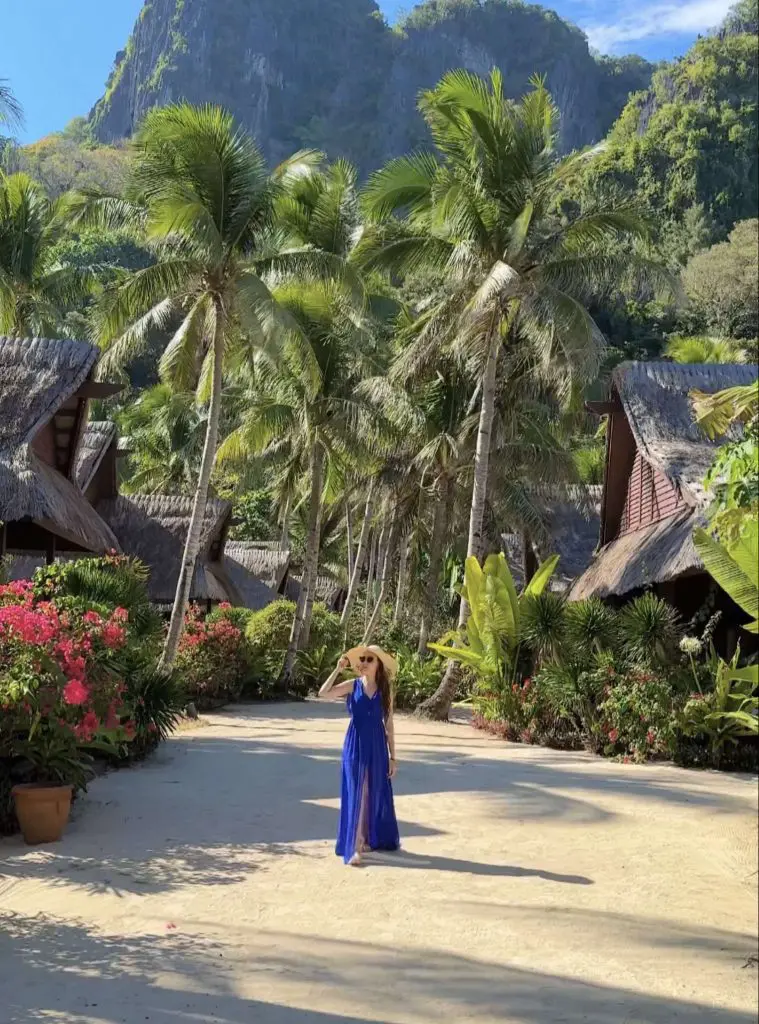
THE TOP 3 INSTAGRAMMABLE PLACES IN THE PHILIPPINES

TIPS FOR A PERFECT FIRST TIME IN INDIA